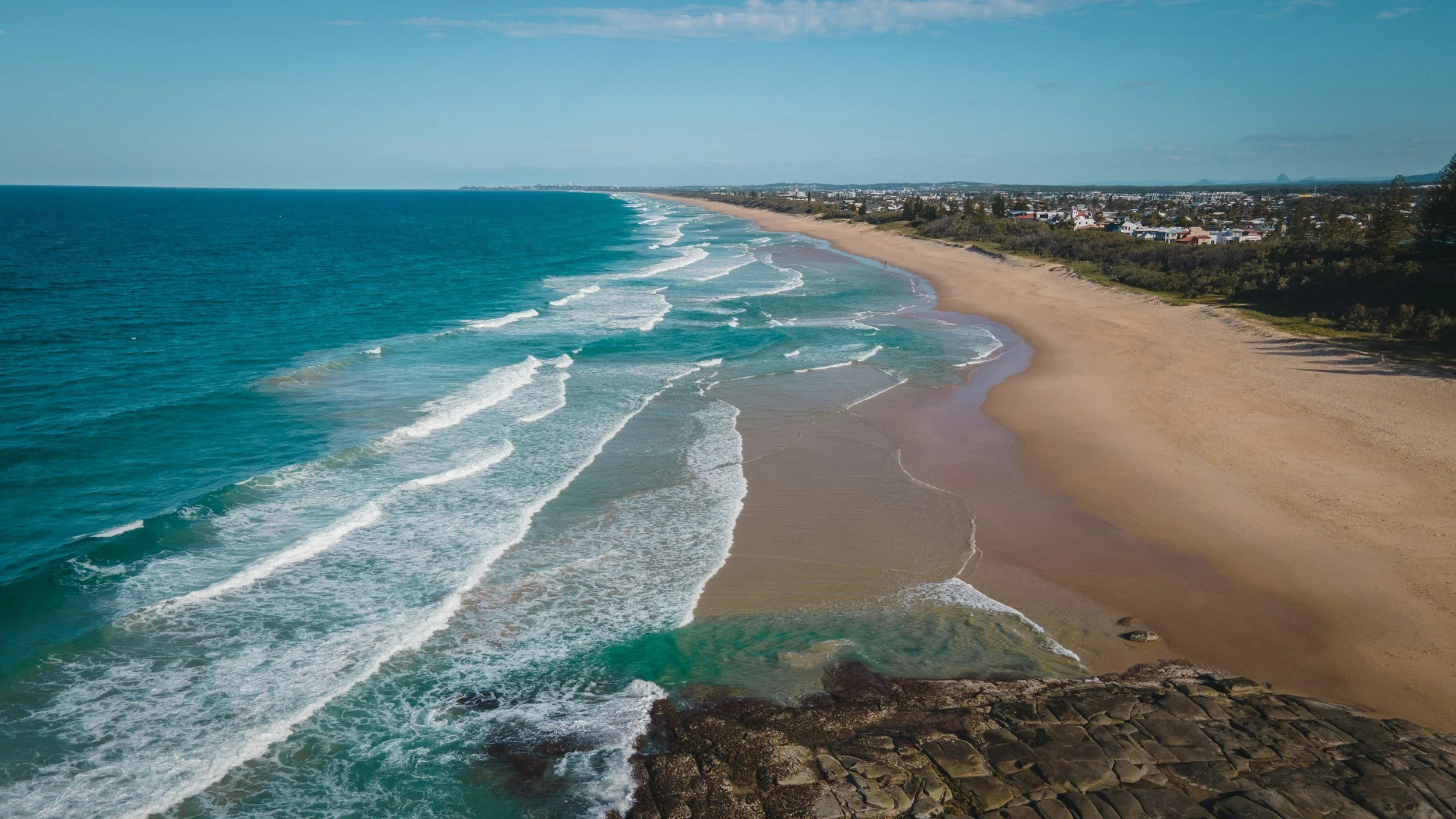
Sunshine Coast
Mains Water Supply
The Sunshine Coast has one of the most advanced drinking water systems in Australia, supplied through the South East Queensland (SEQ) Water Grid. Water is managed by Seqwater and delivered through a connected network of dams, water treatment plants, pipelines and reservoirs that provides reliable drinking water to the Sunshine Coast and the wider South East Queensland region.
The Sunshine Coast's drinking water supply comes from a combination of local catchments and the interconnected SEQ Water Grid. Key local water sources include Baroon Pocket Dam, Lake Macdonald, and Ewen Maddock Dam, with additional supply available through the regional network when required. Water is treated at facilities including the Landers Shute Water Treatment Plant and the Image Flat Water Treatment Plant before being distributed to homes and businesses across the Sunshine Coast.
During treatment, raw water undergoes multiple processes designed to remove sediments, organic material, microorganisms and other impurities. Conventional treatment commonly includes coagulation, flocculation, sedimentation and filtration. Disinfection is then applied to maintain safe water quality throughout the distribution network. Fluoride is also added to the public water supply in accordance with Queensland regulations.
Although Sunshine Coast tap water meets strict Australian Drinking Water Guidelines and Queensland health standards, some residents choose additional filtration to improve taste, reduce odours and provide an extra level of treatment at the point of use. Common reasons households install filters include reducing chlorine-related taste and smell, filtering sediment from ageing household plumbing, and improving drinking water quality for sensitive households. Community discussions about Sunshine Coast water commonly mention chlorine taste, earthy or musty flavours after periods of heavy rainfall, occasional sediment following maintenance or water main works, and concerns about water quality after extreme weather events.
Different filtration systems target different needs. Activated carbon filters are commonly used for improving taste and reducing chlorine compounds, while advanced systems such as reverse osmosis can target a wider range of dissolved substances. Choosing the correct filter depends on the household's goals, water source and desired level of filtration.
Common Sunshine Coast Water Concerns:
Chlorine taste and odour reduction
Sediment and particles from household plumbing
Improving taste for drinking and cooking
Earthy or musty tastes following heavy rainfall
Extra filtration for families, babies and sensitive users
Understanding PFAS and emerging contaminants